

By Anurag K
The CFO's Story: Portfolio Modelling of Operating Assets
As CFO of a company managing a portfolio of 12 operating assets, spanning renewable energy, logistics, and infrastructure, I know that solid numbers drive sound decisions. Whether it’s monthly board packs, variance reviews, or discussions with lenders, I need reports that are clear, timely, and trustworthy.
But for the longest time, we didn’t have that.
Our so-called “financial model” — the one we used for all reporting and analysis — had started its life as a bid model. It was never meant for live, operational reporting. It was built quickly for an investment pitch, packed with hard-coded assumptions and tailored to a single project. Over the years, it was repurposed (patched and stretched) into a model that tried to handle 12 diverse operating assets and produce management-ready outputs.
Unsurprisingly, it became a monster.
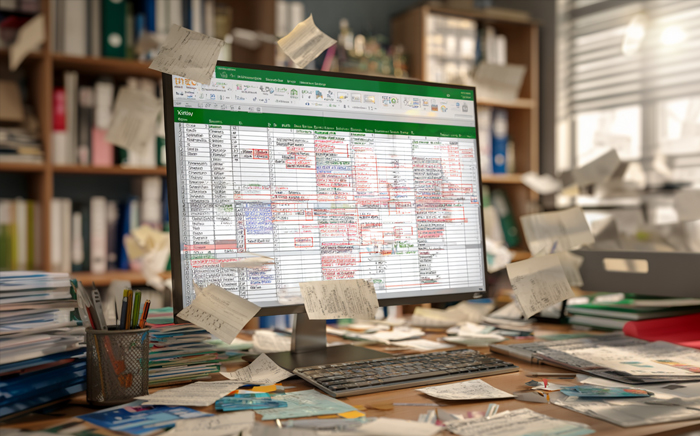
There was no dedicated space for actuals. Every month, someone had to extract ERP data, open the master file (which took five minutes on a good day), manually paste numbers into the financial statements, and somehow reconcile it all without any of the inputs breaking formulas. Budget numbers lived in another file. Forecasts in yet another. And to produce a report, we had to merge it all manually. It was a mess.
But what really caused me sleepless nights wasn’t just the inefficiency, it was the fragility of the model, and the lack of control we had over it.
We had a string of analysts, each one talented in their own way, but every few months, someone would leave, and a new person would come in. And each analyst tried to “improve” the model in their own way.
None of these changes were documented. And eventually, no one, not even the latest analyst, could say for sure how the model worked. We had formulas overwritten, links broken, and worst of all — numbers that didn’t match.
I still remember a board meeting where we presented quarterly numbers for our solar assets. A director asked why the EBITDA had changed from the version shared a week earlier. We scrambled to find the reason. Turns out, a formula had been accidentally dragged over during the actuals update, no one caught it. It was a small mistake, but it shattered confidence in the reporting.

That was the tipping point for me. I said, “Enough. We need to fix this properly, or stop using Excel altogether.”
That’s when we brought in EMF, the specialized financial modelling team, not to “fix the file,” but to rebuild it for what it was truly meant to do: serve as a live, scalable, reliable operational reporting system.
From the very first session, they understood our pain.
“You’ve been using a deal model as a control tower,” they said. “It’s time to retire the Frankenstein.”
Here’s what they delivered:
 It was a night-and-day difference.
Now, when I ask for a variance analysis or cash flow forecast, I get it the same day, sometimes in hours. I don’t get excuses. I get insights. The team has gone from firefighting Excel to actually thinking about performance, drivers, and strategy.
Most importantly, the model is no longer person-dependent. Whether an analyst joins or leaves, the structure stays intact. Changes are tracked. Errors are flagged. And I finally feel confident that the numbers we’re showing to management, lenders, and investors are correct.
If you're using a patched-together model that’s being “improved” by every new analyst who touches it — trust me, you’re not alone. But you’re also not stuck. We were in that place too. Now, we’ve moved on to a model that works for us — not against us.
But for the longest time, we didn’t have that.
Our so-called “financial model” — the one we used for all reporting and analysis — had started its life as a bid model. It was never meant for live, operational reporting. It was built quickly for an investment pitch, packed with hard-coded assumptions and tailored to a single project. Over the years, it was repurposed (patched and stretched) into a model that tried to handle 12 diverse operating assets and produce management-ready outputs.
Unsurprisingly, it became a monster.
There was no dedicated space for actuals. Every month, someone had to extract ERP data, open the master file (which took five minutes on a good day), manually paste numbers into the financial statements, and somehow reconcile it all without any of the inputs breaking formulas. Budget numbers lived in another file. Forecasts in yet another. And to produce a report, we had to merge it all manually. It was a mess.
But what really caused me sleepless nights wasn’t just the inefficiency, it was the fragility of the model, and the lack of control we had over it.
We had a string of analysts, each one talented in their own way, but every few months, someone would leave, and a new person would come in. And each analyst tried to “improve” the model in their own way.
- One added a new sheet with different formatting.
- Another rewired the asset cash flow logic because it “looked cleaner.”
- Someone else added a macro that only worked on their version of Excel.
None of these changes were documented. And eventually, no one, not even the latest analyst, could say for sure how the model worked. We had formulas overwritten, links broken, and worst of all — numbers that didn’t match.
I still remember a board meeting where we presented quarterly numbers for our solar assets. A director asked why the EBITDA had changed from the version shared a week earlier. We scrambled to find the reason. Turns out, a formula had been accidentally dragged over during the actuals update, no one caught it. It was a small mistake, but it shattered confidence in the reporting.
That was the tipping point for me. I said, “Enough. We need to fix this properly, or stop using Excel altogether.”
That’s when we brought in EMF, the specialized financial modelling team, not to “fix the file,” but to rebuild it for what it was truly meant to do: serve as a live, scalable, reliable operational reporting system.
From the very first session, they understood our pain.
“You’ve been using a deal model as a control tower,” they said. “It’s time to retire the Frankenstein.”
Here’s what they delivered:
- A modular structure where each asset runs off a consistent engine
- A dedicated actuals module where ERP data can be imported in seconds, with built-in checks and no risk to formulas
- Macro-driven automation to add new assets without breaking anything
- Consolidated reports that update dynamically and compare actual vs forecast vs budget, with visuals built in
- A navigation index and clear layout so even a new analyst can find what they need without breaking a sweat
- Strict user control, so key sections can’t be altered casually
- Formula optimization that made calculation time faster and more stable, even on standard machines
Now, when I ask for a variance analysis or cash flow forecast, I get it the same day, sometimes in hours. I don’t get excuses. I get insights. The team has gone from firefighting Excel to actually thinking about performance, drivers, and strategy.
Most importantly, the model is no longer person-dependent. Whether an analyst joins or leaves, the structure stays intact. Changes are tracked. Errors are flagged. And I finally feel confident that the numbers we’re showing to management, lenders, and investors are correct.
If you're using a patched-together model that’s being “improved” by every new analyst who touches it — trust me, you’re not alone. But you’re also not stuck. We were in that place too. Now, we’ve moved on to a model that works for us — not against us.


6 Comments

EMF
Hence, a structured and a well planned approach is required to address the issues from the beginning.
Daniel Harris
This is really inspiring. It is amazing how much difference a proper model can make
EMF
Thank you, do let us know if you need any assistance on your models.
Nathan Brooks
Just curious, how long did it take to rebuild everything?

Anurag Kushwaha
If the requirements are clear, then a portfolio model can be churned out in days and not months.


Olivia Bennett
We had the same problem, using a model built for one project to manage a whole portfolio. It got messy fast. Glad to know we are not the only ones!